

Key Takeaways
- Joint changes with age are normal, but you can take steps to maintain mobility and comfort
- Low-impact movement, anti-inflammatory foods, and daily habits all support joint health
- Professional support and adaptive environments help you stay active as needs change
- Small, consistent changes make a bigger difference than dramatic lifestyle overhauls
Joint Health Support as You Age
You might notice your knees feel stiffer in the morning or your shoulders ache after gardening. These changes happen because cartilage naturally wears down over time, and the fluid that cushions your joints can decrease.
Joint health directly affects your ability to do the things you value most, from cooking dinner to playing with grandchildren. When joints feel comfortable and move freely, you can continue participating in activities that bring meaning to your day at Somerby Edgewater through engaging community programs.
Why Joint Health Matters More as You Age
Your joints work differently at 70 than they did at 30. The cartilage that cushions bone connections becomes thinner, and muscles around joints may lose some strength. This process happens gradually and affects everyone differently.
Daily activities like climbing stairs, opening jars, or getting up from chairs can become more challenging when joints feel stiff or uncomfortable. Joint health also connects to balance and stability, which affects your confidence moving around your home and community.
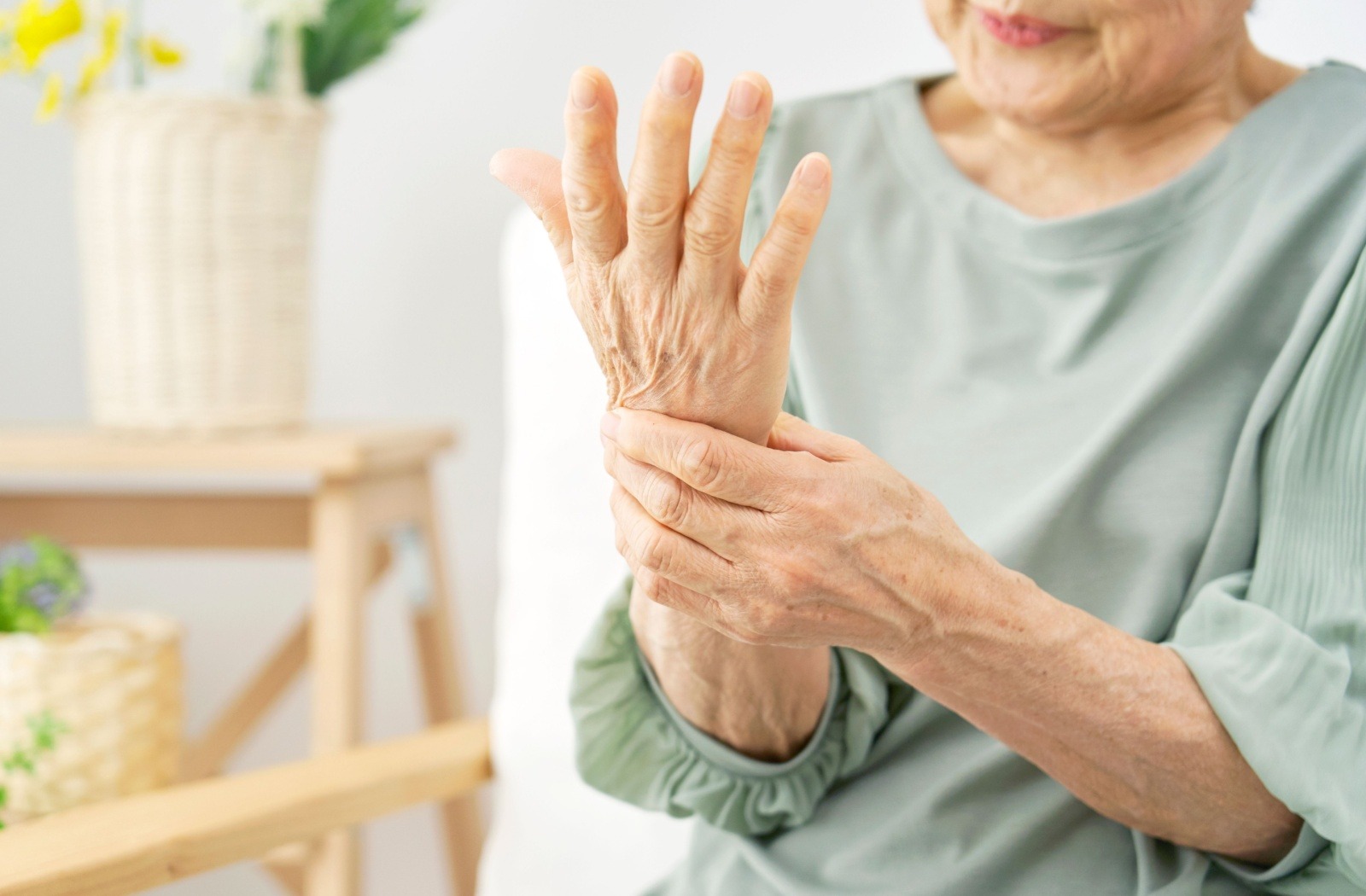
Common concerns include morning stiffness that lasts longer than it used to, joints that feel achy before weather changes, or hands that don’t grip as firmly as before. These experiences are normal parts of aging, and you can take steps to address them.
Simple Ways to Support Your Joints Through Movement
Low-Impact Activities That Work
Walking remains one of the most accessible ways to keep joints moving. You don’t need to walk for miles—even 10-15 minutes can help reduce stiffness. Swimming and water exercises are gentle on joints because water supports your body weight.
Chair exercises work well when standing activities feel challenging. You can do arm circles, ankle rotations, and gentle twists while seated. These movements help maintain range of motion without putting stress on weight-bearing joints.
Gentle stretching in the morning can help reduce stiffness, and evening stretches can help you relax before bed. Focus on slow, comfortable movements rather than pushing to your limits.
How Much Movement You Actually Need
You don’t need to exercise for hours each day. Start with what feels comfortable—maybe 5 minutes of movement after breakfast. Gradually add more time as your body adapts.
Work movement into activities you already do. Take a few extra steps while waiting for coffee to brew, or do calf raises while watching television. These small additions add up throughout the day.
Foods That Support Joint Health and Reduce Stiffness
Anti-inflammatory foods can help reduce joint discomfort. Include colorful vegetables like leafy greens, berries, and bell peppers in your meals. These foods contain compounds that help manage inflammation in your body.
Omega-3 fatty acids support joint health and you can find them in salmon, walnuts, and flaxseeds. If you don’t eat fish regularly, consider adding ground flaxseed to yogurt or oatmeal.
Simple meal ideas include adding spinach to scrambled eggs, snacking on berries with yogurt, or having salmon salad for lunch. Staying hydrated also helps because your joints need fluid to move smoothly. Proper meal planning can help you incorporate these joint-healthy foods consistently.
Daily Habits That Make a Difference

Small changes in your home can reduce stress on your joints. Use jar openers for stubborn lids, add cushioned grips to tools, and keep frequently used items at waist level to avoid excessive reaching.
Good posture supports your joints throughout the day. When sitting, keep your feet flat on the floor and your back supported. When standing, imagine a string pulling gently from the top of your head.
Quality sleep helps your body repair and reduces morning stiffness. Sleep on your side with a pillow between your knees, or on your back with a pillow under your knees for joint comfort. Heat therapy, like a warm shower or heating pad, can help with stiffness.
Professional Support and Community Resources
Talk with your healthcare provider if joint discomfort interferes with sleep, daily activities, or if you notice significant changes in mobility. They can help determine what’s normal aging versus something that needs attention.
Many senior living communities offer fitness programs designed specifically for older adults. These might include chair yoga, walking groups, or water aerobics classes led by trained instructors. Assisted living and memory care communities can provide the right level of support while encouraging you to stay as active as possible.
Social activities that involve movement, like dancing or gardening clubs, help you stay active while connecting with others. Respite care can also provide temporary support for families, giving everyone time to rest and recharge.
Taking Action for Long-Term Joint Health
Start with one small change that feels manageable. Maybe that’s a 5-minute morning stretch routine or adding salmon to your grocery list. Small, consistent actions create lasting habits more effectively than dramatic changes.
Progress with joint health happens slowly, and some days will feel different than others. Focus on what you can do rather than what feels challenging, and celebrate small improvements along the way.
At Somerby Edgewater, the team understands that maintaining your health and mobility matters to you. The community provides supportive services and programs that help you continue living actively, with professional care available when you need it.
Want to learn even more about how we help our residents and their families? Contact us to schedule a tour. We would love to answer any questions you have and show you around our community.